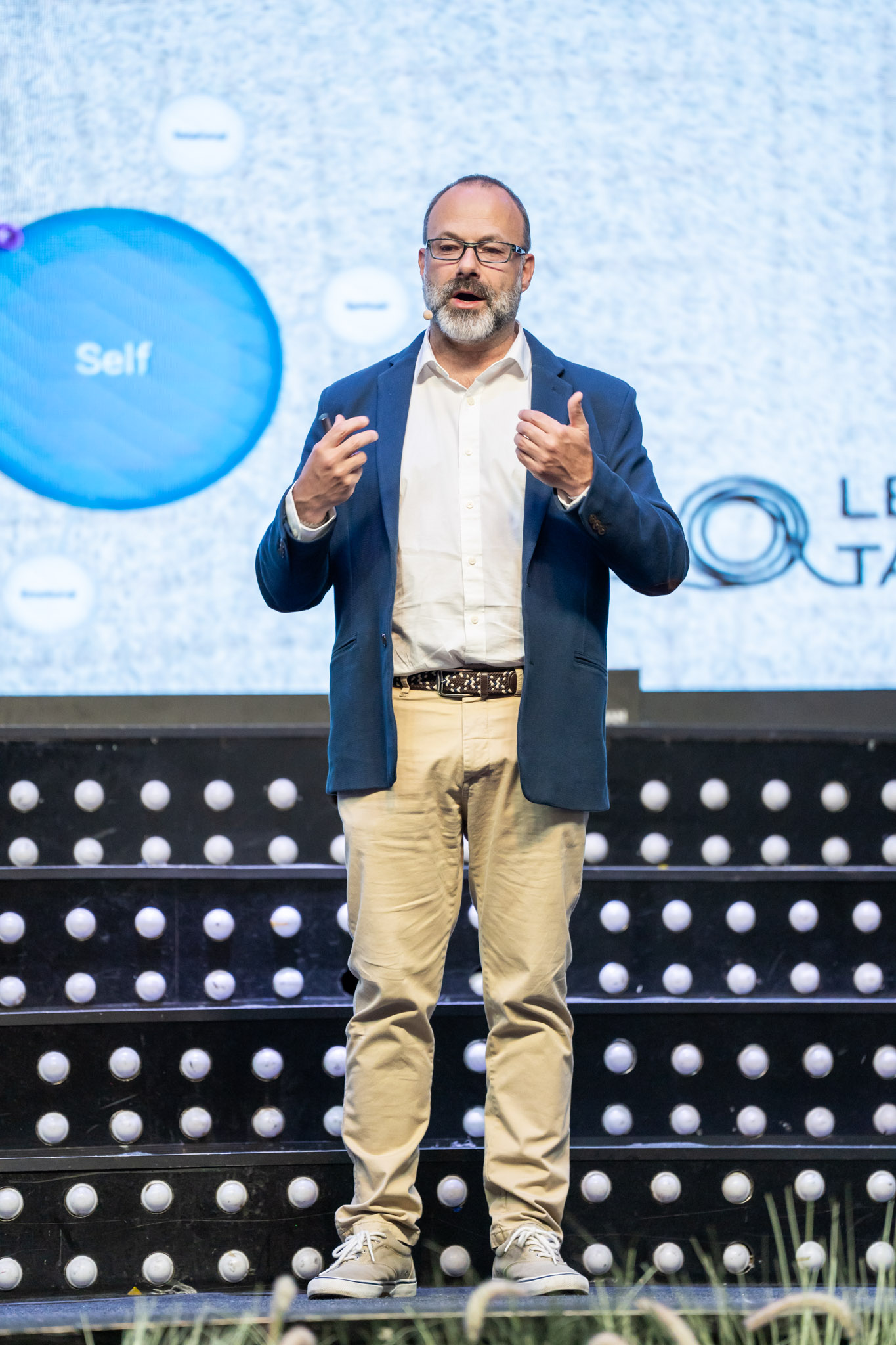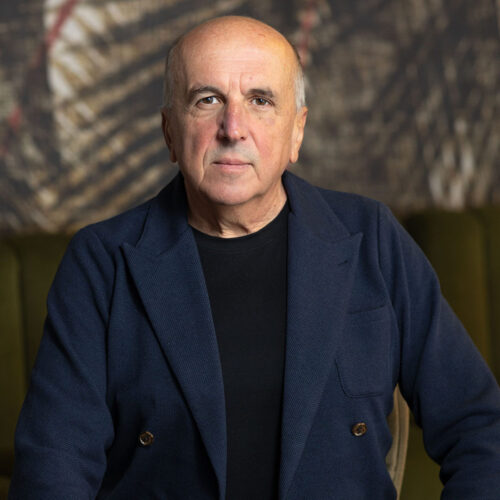













"Did you ever wonder why the life of cities is measured in centuries and millenia but the life of companies is measured in mere decades? The average life span of a modern company is just 18 years! The answer lies in the fundamental ways the two are organised.
100.000 years or so we invented humanity’s biggest invention: society. It has allowed us to not just live, but function and cooperate in increasingly larger numbers in a hugely complex web of social relationships. Take a look in the mirror, right now, and think about how many people needed to cooperate so that you can wear whatever you wear at this moment.
In 1910 we invented management. It is a crude, simplistic and totally un-natural way of organising people and work, meant for a world that was radically different from the one we live in now and the gap is only growing larger by the day.
This presentation will make the case of returning work relationships to the fundamentals of social interactions that made us the dominant species on Earth."

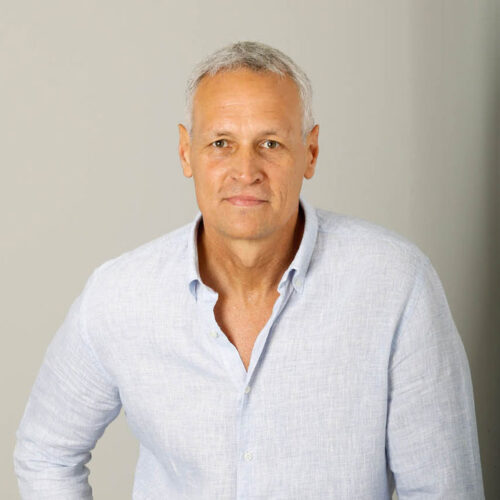
"How will the future look like? To find out, one way is to go to the Oracle of Delphi. Another one was supposed to be to study history. Neither of them seem to work. One of the five pillars of antifragility in teams and organisations is “Learning Together From Action”. We will explore together three practical ways to learn about tomorrow from what we do today.”

The rich tapestry of human experience is not the challenge. It is the answer. Not protecting young people from life, but enriching their capacity to live it fully.

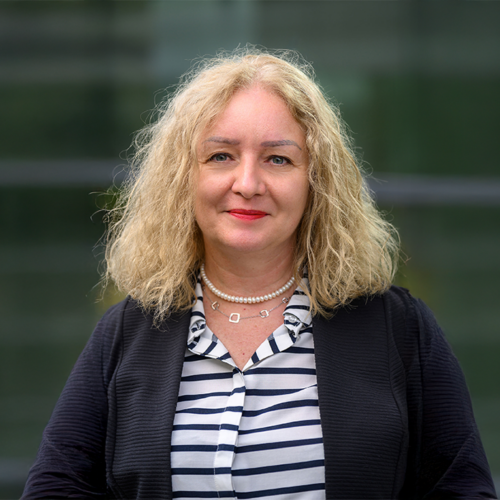
Many of the systems around us, from education to organizations and leadership models, were built for a world that felt more stable and predictable than the one we experience today. As AI, geopolitics, social changes and acceleration, and uncertainty reshape how we live and work, the real challenge is no longer predicting the future correctly, but developing the capacity to navigate change with adaptability, judgment, curiosity, and long-term thinking.
This session explores the Mindset and Future Skills that may become increasingly valuable in the years ahead, and what it actually could mean to become future-ready as individuals, teams, and leaders in a world changing faster than many of our systems, institutions, and habits were designed for.

The brain is the most overused and most overlooked organ in the modern body. It runs our decisions, our emotions, our career, and most of us are draining it faster than we're rebuilding it.
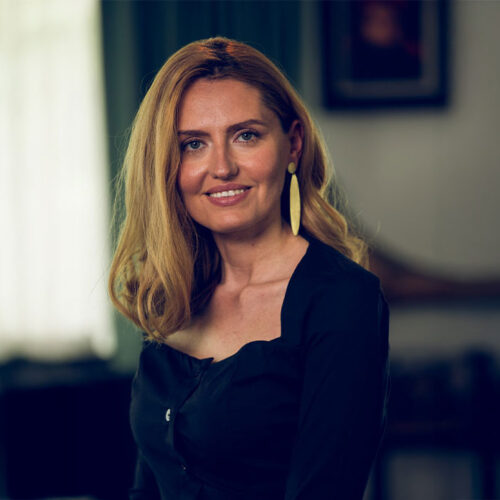
Dr Alina Epure is bringing a science-based conversation about brain health, emotional balance, and the new science of longevity. We'll unpack how neuroplasticity and everyday choices shape the way we think, feel, age and what it actually takes to build a brain that lasts.
You'll leave with practical, personalised strategies for mental energy and cognitive clarity, burnout prevention, stress regulation, and lifestyle design for a longer, sharper, more resilient life.
Because the future isn't what it used to be and neither is our brain.

The most underestimated truth of our era is this: technology has no biological limits, but we do. AI processes faster, networks scale infinitely, optimization becomes a default mindset. Meanwhile, the human body is essentially the same as it was 500,000 years ago. Our nervous system, our attention span, our sleep architecture, our capacity for emotional regulation are all calibrated for a world that no longer exists.
As a doctor, I see the consequences of this mismatch every day. The patient who cannot fall asleep without a screen. The young professional whose blood markers no longer match his age. The high-functioning leader whose body has quietly stopped tolerating the rhythm of his calendar. Hospitals are slowly becoming the place where the cost of acceleration is paid in private. The medical community now has the data to describe this: the systemic deterioration of attention, sleep, metabolism, emotional regulation and meaningful connection is no longer anecdotal, it is measurable, repeatable, and scaling fast.
In this talk, I will argue that the human body is our last real frontier in the machine age. Drawing on what I observe in the hospital, on the data emerging from genomics and AI-assisted medicine, and on a growing body of neuroscience, I will outline what stays profoundly human in a hyper-technological world and what concrete practices help professionals, leaders and teams remain functional, resilient and deeply human in the long term. The future isn't what it used to be. Neither is the human animal. Understanding both, together, is the discipline of the present.